Category: Free Soccer Predictions

Free Soccer Predictions

Free Soccer Predictions

Here Free soccer predictions are a popular tool for many sports bettors. Firstly, they provide insights into upcoming matches without any cost. In particular, these predictions often include expert analysis, statistical data, and team news. Additionally, they are accessible on various websites and platforms, making them convenient for users. Moreover, free predictions cater to both casual fans and serious bettors alike.

One of the main advantages of free soccer predictions is their accessibility. Anyone with an internet connection can access these predictions with ease. As a result, bettors do not need to spend money on premium services. This accessibility, in turn, helps to democratize sports betting information. Consequently, bettors can make informed decisions without breaking the bank.

Furthermore, rigged soccer predictions often come from experts in the field. These experts typically have years of experience analyzing soccer matches. Their insights, based on deep knowledge and data, can be highly valuable. However, it’s important to remember that predictions are not guarantees. No matter how knowledgeable the expert, unforeseen factors can always influence the outcome of a match.

In addition to expert analysis, true soccer predictions also rely on statistical data. This data includes team performance, player statistics, and head-to-head records. By analyzing these statistics, bettors can gain a better understanding of potential match outcomes. Moreover, statistics can help to identify patterns that might not be immediately obvious. For example, a team might perform better against certain opponents or under specific conditions.

Best Soccer Prediction Site

Another key benefit of best soccer predictions is the variety of perspectives they offer. Since many sources provide these predictions, users can compare different opinions. This comparison can help bettors make more balanced decisions. In contrast, relying on a single source might lead to biased conclusions.

However, it’s crucial to approach free soccer predictions with caution. Although they can be helpful, they should not be relied upon blindly. Instead, bettors should use them as one part of a broader strategy. Additionally, it’s wise to cross-check predictions with other sources. By doing so, bettors can confirm the reliability of the information they are using.

Moreover, free soccer predictions can be particularly beneficial for beginners. For those new to betting, predictions offer a way to learn about the sport. By following expert advice, beginners can gain a better understanding of betting strategies. In turn, this knowledge can help them become more confident in their decisions.

On the other hand, experienced bettors might use free predictions to supplement their own research. Even though they have their own methods, additional insights can be valuable. For example, an experienced bettor might use free predictions to spot potential upsets. In this way, free predictions can serve as a useful tool for all levels of expertise.

In conclusion, free soccer predictions offer a range of benefits to bettors. They provide expert analysis, statistical data, and diverse perspectives, all without cost. However, it’s important to use them wisely and not rely on them solely. By integrating free predictions into a broader strategy, bettors can enhance their chances of success. Ultimately, while no prediction is ever guaranteed, free soccer predictions can be a valuable resource for making more informed decisions.

Nations League Fixed Matches

Nations League Fixed Matches

Nations League Fixed Matches


Sure bets for today
Day: Wednesday Date: 04.09.2024

League: RUSSIA: Russian Cup – Regions Path
Match: Murom – Khimik
Tip: Over 2.5
Odds: 1.90 Result: 2:2 WON

E-mail support: storefixedmatch@gmail.com
WhatsApp support: +44 7427 382077

Introduction to Brazilian Football Culture

Brazilian football is more than just a sport; it is the heartbeat of the nation, a cultural pillar that unites people across all demographics. From the packed stadiums of major cities to the dusty streets of small towns, football is everywhere in Brazil, woven into the fabric of daily life. People of all ages play the game, whether it’s a casual kickabout on the beach or a competitive match in a local league. Football has the power to bring joy and provide a sense of community, acting as a social equalizer in a country marked by economic disparities. This deep-rooted passion has made Brazil one of the most iconic football nations in history, and the sport continues to influence everything from music and dance to national identity and politics. Stay ahead of the game with Nations League Fixed Matches your key to guaranteed wins in top international tournaments.

The Birth of Brazilian Football

The origins of Brazilian football date back to the late 19th century when Charles Miller, a young Brazilian of British descent, returned from England with a football in his luggage and a dream of spreading the sport. His enthusiasm quickly caught on, especially in São Paulo, where the game began to take root among the local population. As clubs began to form and organize matches, football started to grow in popularity, transcending its European roots and adapting to Brazil’s vibrant culture. By the early 20th century, the sport had become a staple in cities like Rio de Janeiro and Salvador, with matches drawing large crowds eager to see this exciting new pastime. The game’s appeal was immediate and universal, attracting players and fans from all walks of life, and laying the groundwork for what would become a national obsession.
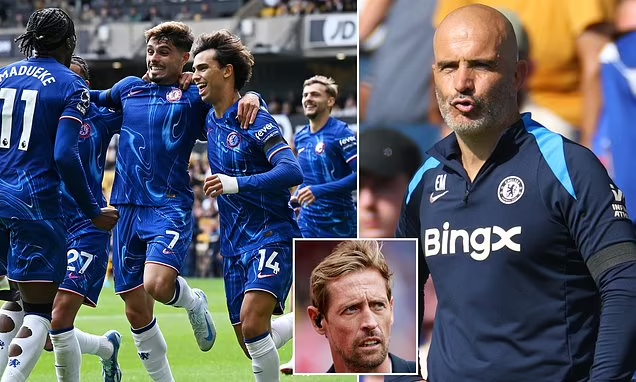
Nations Legaue Fixed Matches

Rise of the Brazilian National Team

Brazil’s journey on the international stage began with the inaugural FIFA World Cup in 1930, held in Uruguay. Although the Brazilian team did not achieve immediate success, their participation marked the beginning of a long and illustrious history in the tournament. In the 1950 World Cup, hosted by Brazil, the national team reached the final in a highly anticipated match against Uruguay, famously known as the “Maracanazo.” The unexpected defeat shocked the nation, but it also fueled the desire to rebuild and strive for future glory. Just eight years later, Brazil captured its first World Cup in Sweden, led by a young Pelé and a team brimming with talent and flair. Experience winning like never before with Nations League Fixed Matches secure your spot among the champions.

The Golden Era: Pelé and Beyond

Also late 1950s to the early 1970s is often referred to as the golden era of Brazilian football. Defined by the brilliance of Pelé and his contemporaries. Brazil’s dominance on the world stage was unparalleled. With the national team winning three World Cups in 1958, 1962, and 1970. Pelé, widely regarded as the greatest footballer of all time, became a global icon. Known for his incredible skill, vision, and prolific goal-scoring ability. He was not alone; players like Garrincha, who mesmerized defenders with his dribbling. Also Carlos Alberto, whose leadership and defensive prowess anchored the team, played pivotal roles. The 1970 World Cup, in particular, showcased a team that many consider the best ever. Blending individual brilliance with cohesive team play. This period not only brought immense pride to Brazil but also. Solidified the country’s reputation as the home of beautiful football.

The Art of Joga Bonito

Joga Bonito, meaning “play beautifully,” is not just a style of football; it is a philosophy that defines how Brazilians approach the game. This style emphasizes creativity, joy, and artistry, encouraging players to express themselves freely on the pitch. In Brazil, football is seen as a canvas where players can paint with their feet, creating moments of magic that capture the imagination of fans. Techniques such as dribbling past multiple defenders, executing no-look passes, and scoring spectacular goals are celebrated and encouraged from a young age. Also ethos of Joga Bonito has given the world unforgettable talents like Zico, whose vision and playmaking ability revolutionized the role of the attacking midfielder, and Ronaldinho, whose skill and infectious smile brought a sense of joy back to the sport. Brazilian football, at its core, is about entertaining the crowd and showcasing the beauty of the game.

Brazilian Domestic Football: Clubs and Rivalries

Brazil’s domestic football scene is characterized by intense rivalries. Passionate fans, and a long list of historic clubs that have defined the country’s football landscape. Clubs like Flamengo, Corinthians, Palmeiras, and Santos have not only dominated domestically but have also achieved. Significant success on the continental stage, particularly in the Copa Libertadores. The fierce competition between these clubs fuels some of the most heated derbies in the world. Such as the Fla-Flu derby between Flamengo and Fluminense, and the Paulista Derby between Corinthians and Palmeiras. These matches are more than just football games; they are events that draw the attention of the entire nation. Often involving weeks of build-up and anticipation. The passion displayed by both players and fans during these clashes. Nations League Fixed Matches your ultimate source for precise and consistent betting success.

Legendary Stadiums: The Temples of Brazilian Football

Also Brazilian football is played on hallowed grounds, with stadiums that have become iconic symbols of the sport. Maracanã Stadium in Rio de Janeiro, originally built for the 1950 World Cup, remains one of the most famous football arenas in the world. It has hosted numerous historic matches, including World Cup finals and countless domestic derbies, making it a sacred site for football fans. Other legendary venues, like São Paulo’s Morumbi and the Mineirão in Belo Horizonte, regularly host major fixtures and international tournaments. These stadiums are not just venues; they are the beating hearts of their cities, where the energy of the crowd and the history of past glories create an atmosphere unlike any other. Each stadium tells its own story, filled with the triumphs, heartbreaks, and unforgettable moments that define Brazilian football.

Brazil’s Contribution to World Football

Also Brazil’s influence on global football extends far beyond its borders, with Brazilian players, coaches, and playing styles shaping the sport worldwide. Also country has consistently exported its best talents to top European clubs, where Brazilian flair and technical skills have become highly sought after. Legends like Romário, Ronaldo, and Kaká have left indelible marks on clubs like Barcelona, Inter Milan, and Real Madrid, bringing a touch of Brazilian magic to the biggest stages. Brazilian coaches, too, have made their mark, introducing innovative tactics and emphasizing the importance of creativity in team play. Moreover, Brazil’s approach to youth development, with a focus on technical training and fostering individual skills, has influenced football academies globally. Also Brazilian impact on world football is profound and enduring, as the country continues to set the standard for how the game can be played beautifully.

The Role of Favelas in Developing Talent

Also favelas, or informal settlements, of Brazil play a crucial role in the country’s football culture, serving as breeding grounds for some of the greatest talents in the game. In these communities, young players learn to play with passion and flair, often on improvised pitches with makeshift goals. The lack of formal infrastructure fosters creativity and resilience, teaching players to adapt and overcome challenges both on and off the field. Many of Brazil’s most famous footballers, including Pelé, Zico, and Neymar, honed their skills in such environments, where football serves as a beacon of hope and a potential pathway out of poverty. The influence of favela football is evident in the unique playing styles of many Brazilian stars, characterized by audacious dribbling, quick thinking, and an unyielding desire to win.

Challenges Facing Brazilian Football

Despite its illustrious history, Brazilian football faces several challenges that threaten its long-term stability and growth. Financial instability among clubs, coupled with issues of corruption and mismanagement, has often hindered the development of the domestic league. Many clubs struggle with debt, leading to frequent player sales and a reliance on young talent to balance the books. Additionally, the lure of European football sees many of Brazil’s brightest stars leave at a young age. Depriving local fans of the chance to see their homegrown talents develop in the domestic leagues. Poor infrastructure, inadequate youth facilities, and inconsistent governance further complicate matters. Making it difficult for Brazilian football to maintain its competitive edge. Addressing these issues is crucial for the future of the sport in Brazil. Ensuring that the country can continue to produce top-level talent and compete at the highest levels of international football.

The Evolution of Brazilian Football Tactics

Over the decades, Brazilian football has evolved tactically, adapting to the changing dynamics of the global game. While the traditional Brazilian style remains rooted in creativity and attacking play. Modern teams have incorporated more structured and disciplined approaches. The emphasis on defensive solidity became particularly evident in. The 1994 World Cup-winning team, which balanced flair with a pragmatic style. Coaches like Tite and Dunga have introduced tactics that focus on organization. Pressing, and counter-attacks, blending Brazil’s attacking instincts with a more strategic mindset. Brazilian clubs and the national team now employ a mix of old and new. Maintaining their expressive style while embracing modern tactical trends. This evolution ensures that Brazilian football remains competitive on the world stage. Unlock the secret to winning big on the international stage with Nations League Fixed Matches.

The Women’s Game: Growing and Gaining Recognition

Women’s football in Brazil has experienced a resurgence in recent years. With increased investment and visibility helping to grow the sport. Although women’s football was banned in Brazil for decades due to outdated social norms. The modern era has seen a rise in opportunities for female players. The Brazilian women’s national team, led by icons like Marta and Formiga. Has become a force on the international stage, competing in World Cups and Olympic tournaments with great success. Marta, often referred to as the “female Pelé,” has been a trailblazer, winning multiple. FIFA World Player of the Year awards and inspiring a new generation of girls to take up the sport. Also leagues are slowly improving, with more clubs investing. In women’s teams and providing platforms for young talent to develop. The future of women’s football in Brazil looks bright. As the country continues to build on its rich footballing tradition.

The Future Stars: Emerging Talent in Brazilian Football

Also Brazil’s production line of football talent shows no signs of slowing down, with a new generation of players emerging on the global scene. Young stars like Vinícius Júnior, Rodrygo, and Gabriel Martinelli have already made significant impacts in Europe, showcasing the next wave of Brazilian footballing prowess. These players bring a modern twist to the traditional Brazilian style, blending speed, technical skill, and tactical intelligence. At the youth level, academies such as Grêmio’s and São Paulo’s continue to develop. Promising talents who aspire to follow in the footsteps of their idols. Brazil’s commitment to nurturing young players, combined with the invaluable experience they gain. By playing in top leagues around the world, ensures that the future of Brazilian football remains bright. As these emerging stars continue to develop. Also will carry the torch for Brazil, striving to add new chapters to the country’s storied football legacy.

Soccer Master Fixed MatchesFixed VIP MatchesMaxbet Fixed Match

The Impact of Brazilian Fans: The Twelfth Player

Brazilian fans are the lifeblood of the nation’s football culture, bringing energy, color, and a sense of community to every match. Known for their passionate support, Brazilian fans create an electric atmosphere that is unmatched anywhere in the world. Whether it’s a local league match or a World Cup showdown. The stands are filled with singing, drumming, and chanting. Turning every game into a vibrant celebration of the sport. Fans often form close-knit supporter groups, known as torcidas organizadas. Which play a significant role in rallying support for their teams, both at home and abroad. This fan culture is a defining aspect of Brazilian football, providing players with motivation and making the stadiums feel like fortresses. The unwavering loyalty of Brazilian fans serves as a reminder of the. Dominate your bets with Nations League Fixed Matches reliable predictions for every matchday.

Brazilian Football’s Lasting Legacy

Brazilian football is a story of triumph, talent, and an unbreakable bond between the game and its people. It has produced some of the most iconic moments in football history, from Pelé’s hat-trick in a World Cup final to Ronaldinho’s unforgettable goals. But beyond the titles and trophies, Brazilian football stands as a symbol of joy, resilience, and creativity. The country’s commitment to playing beautifully has inspired millions and set a standard that continues to influence football globally. Despite the challenges faced by the domestic league and the constant evolution of the sport, Brazil’s legacy as a footballing giant remains intact. As new generations of players rise and carry forward the traditions of Joga Bonito, Brazilian football will continue to captivate and inspire, proving that the beautiful game truly finds its most profound expression in the heart of Brazil.
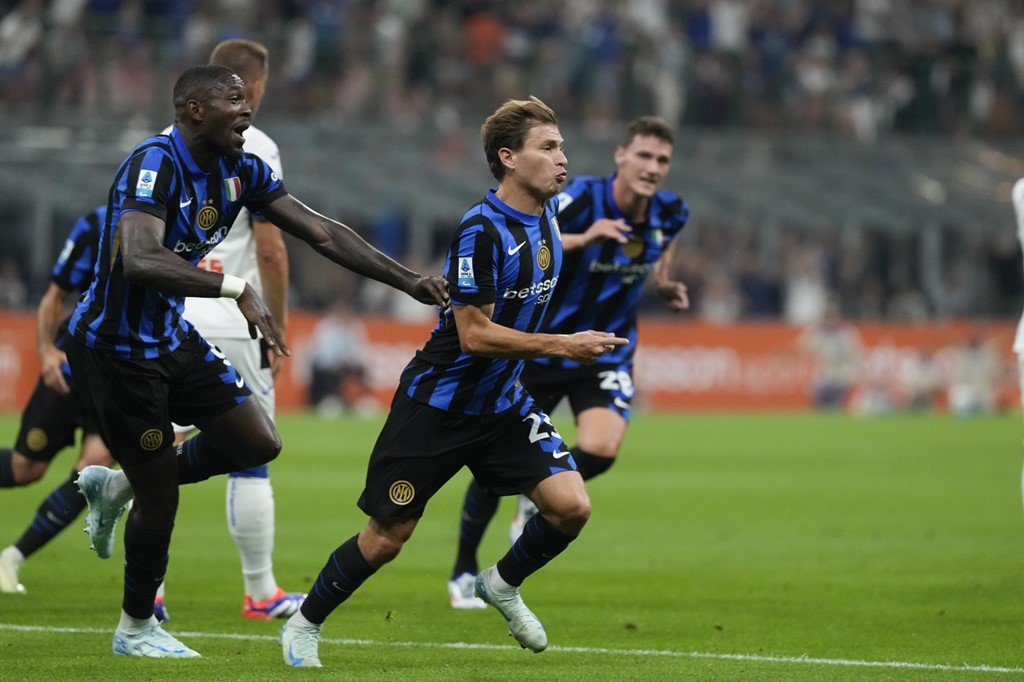
Rigged Football Matches

Rigged Football Matches

Rigged Football Matches


Fixed sure tips
Day: Tuesday Date: 03.09.2024

League: ENGLAND: EFL Trophy
Match: Blackpool – Crewe
Tip: Over 2.5
Odds: 1.70 Result: 4:1 WON

E-mail support: storefixedmatch@gmail.com
WhatsApp support: +44 7427 382077

Early Life and Humble Beginnings

Lionel Andrés Messi, born on June 24, 1987, in Rosario, Argentina. Grew up in a close-knit family that had a deep connection to football. His father, Jorge, worked in a steel factory, while his mother, Celia. Served as a cleaner, balancing hard work with their roles as dedicated parents. From an early age, Messi showed an unusual interest in football. Playing whenever and wherever he could, often with his older brothers and cousins. The streets of Rosario became his first playground. Where he developed his incredible dribbling skills by maneuvering past much bigger and older players. Discover unmatched success with insider access to Rigged Football Matches your shortcut to winning.

The Growth Hormone Deficiency Battle

When Messi was just 11 years old, his football dreams nearly ended before they fully began. Doctors diagnosed him with growth hormone deficiency, a rare condition that stunted his growth and required costly treatment involving daily injections of growth hormones. The family’s financial situation made the treatment difficult to afford, creating a daunting obstacle in Messi’s path. Despite these challenges, Messi’s determination never faltered, and he continued to train, even as his family scrambled to find a way to fund his treatment. As luck would have it, Carles Rexach, a former player and scout for FC Barcelona, spotted Messi during a trial match in Argentina. So impressed was Rexach by Messi’s talent that he famously signed him on a napkin, committing Barcelona to pay for his medical treatment if Messi joined their academy.

Rigged Football Matches

The Start of Greatness

In 2000, Messi moved to Spain with his family, leaving behind his friends. His extended family, and the familiarity of his Argentine hometown. At just 13 years old, the transition proved challenging, but Messi quickly adapted. Dedicating himself to the rigorous training schedule at La Masia, Barcelona’s famed youth academy. Here, Messi trained alongside some of the best young talents from around the world. Refining his skills and learning the philosophy of Barcelona’s football. La Masia emphasized technical ability, quick decision-making. And a deep understanding of the game all qualities that Messi embodied and perfected. His incredible work ethic set him apart from his peers. While others practiced their skills, Messi lived and breathed football.

Breaking into the First Team

Messi’s rise to the first team came rapidly. On October 16, 2004, at just 17 years old, Messi made his official debut for Barcelona’s senior squad in a match against Espanyol. The debut marked a significant milestone not only for Messi but also for Barcelona, as they introduced a player who would redefine the club’s history. Messi’s initial appearances were brief, but it didn’t take long for him to make an impact. On May 1, 2005, Messi scored his first goal for the club against Albacete, becoming the youngest player to ever score in a league match for Barcelona at that time. Unlock guaranteed wins today with our exclusive Rigged Football Matches.

Rise to Stardom: The Pep Guardiola Era

Messi’s development reached new heights under the management of Pep Guardiola, who took over as Barcelona’s coach in 2008. Guardiola, a former player with a keen tactical mind, recognized Messi’s unparalleled potential and devised strategies that allowed him to flourish. By deploying Messi in a “false nine” role, Guardiola gave him the freedom to roam across the pitch, drop deep to collect the ball, and dictate the flow of the game. This positional change allowed Messi to exploit spaces in opposition defenses in ways few had ever seen before. Messi thrived, combining his natural goal-scoring ability with exceptional playmaking skills, making him the heartbeat of a Barcelona team that played some of the most beautiful football in history.

Records and Achievements: Breaking the Barriers

Throughout his career at Barcelona, Messi shattered countless records, each one further cementing his place in football history. In 2012, Messi achieved an incredible feat by scoring 91 goals in a calendar year, breaking Gerd Müller’s record of 85 goals that had stood since 1972. This record-breaking spree highlighted Messi’s consistency, his versatility, and his sheer determination to excel game after game. Messi also became the all-time top scorer for both Barcelona and La Liga, surpassing. Every forward who had ever graced the Spanish top flight. With each goal, he added another chapter to his legendary career. Often breaking records that many thought would stand for generations. Beyond individual accolades, Messi’s contributions led Barcelona to over 30 trophies. Including 10 La Liga titles and 4 Champions League crowns. These accomplishments transformed Barcelona into a global powerhouse and Messi into a footballing deity.

The Rivalry with Cristiano Ronaldo

While Messi’s brilliance is undeniable, his career was further defined by his rivalry with Cristiano Ronaldo, another all-time great whose impact on football paralleled Messi’s. This rivalry, often played out on the grandest stages, added an extra layer of excitement to the sport. For nearly a decade, Messi’s Barcelona and Ronaldo’s Real Madrid clashed in countless epic battles, with the two players pushing each other to new heights. Also Messi’s elegant dribbling, playmaking genius, and unselfish nature contrasted sharply with Ronaldo’s physicality, aerial prowess, and ruthless finishing, creating a captivating duel that captured the world’s imagination. Their contrasting styles made every encounter a must-watch, as fans debated who was truly the best.

Trials and Triumphs with Argentina

Messi’s international career has been a mix of soaring highs and devastating lows, often filled with intense scrutiny from his home nation. Although Messi made his debut for Argentina in 2005, his journey with the national team has not always been smooth. Despite his undeniable talent, early years with Argentina were marked by heartbreak, as the team consistently fell short in major tournaments. Messi reached his first World Cup final in 2014, only to lose to Germany in extra time. The defeat weighed heavily on Messi, who had dreamed of lifting the trophy for his country since childhood. Following that, back-to-back Copa América final losses in 2015 and 2016 further deepened the wounds, leading Messi to briefly retire from international football in frustration.

Leadership on and off the Pitch

Messi’s leadership style sets him apart as a quiet yet commanding presence on the field. Unlike some captains who lead vocally, Messi leads by example, using his actions to inspire those around him. His commitment to training, his focus during matches, and his resilience in the face of adversity have made him a natural leader for both club and country. When Argentina faced difficult moments, Messi often shouldered the responsibility, lifting his teammates with his performances. Off the field, Messi’s leadership extends into philanthropy. He established the Leo Messi Foundation in 2007, which focuses on providing health care, education, and sports opportunities for children in need. Turn every bet into a winning one with the strategic advantage of Rigged Football Matches.

The Move to Paris Saint-Germain

In a twist that stunned the football world, Messi left Barcelona in 2021 after the club faced financial difficulties that made it impossible to renew his contract. His tearful departure from the only club he had known for over two decades marked the end of an era. Fans, players, and pundits alike struggled to imagine Barcelona without Messi. However, he quickly found a new home in Paris Saint-Germain (PSG), joining former teammate Neymar and emerging star Kylian Mbappé in a star-studded lineup. The move represented a fresh start for Messi, who adapted to life in Paris with his characteristic professionalism and grace. Although it took time to settle into his new surroundings, Messi continued to showcase his playmaking abilities and scored crucial goals that helped PSG secure domestic titles.

A Style of Play That Redefines Football

Messi’s style of play is unlike anything the football world has ever seen. His low center of gravity, combined with exceptional balance and agility, allows him to make sharp turns that leave defenders flat-footed. Unlike most players who rely on physicality, Messi’s game revolves around finesse, quick thinking, and technical precision. His dribbling skills are so refined that he often seems to glide past opponents effortlessly, with the ball appearing magnetically attached to his feet. Beyond his dribbling, Messi’s vision and passing ability make him one of the most creative players ever to grace the game. He has the rare capacity to see spaces and angles that others do not, delivering inch-perfect passes that split defenses wide open.

The Impact on Global Football

Also Messi’s influence on global football cannot be overstated. As one of the most recognizable athletes in the world, he has become a symbol of the sport’s beauty, skill, and spirit. Beyond the pitch, Messi’s marketability has made him the face of numerous global brands, bringing football to new markets and audiences. Also duels with the world’s best players have created moments that transcend the sport, becoming cultural touchstones that fans cherish. Messi has inspired a generation of young players who idolize him, trying to mimic his dribbles, goals, and even his humility. Also football academies around the world now design training programs aimed at developing the “next Messi,” a testament to his profound impact on the sport’s evolution.

Soccer Master Fixed MatchesFixed VIP MatchesIceland Fixed Matches

Personal Life: The Man Behind the Legend

Despite his global fame, Messi remains deeply private, choosing to keep his personal life away from the spotlight. He married Antonela Roccuzzo, his childhood sweetheart whom he had known. Since he was five years old, in a star-studded ceremony in 2017. Together, they have three sons Thiago, Mateo, and Ciro who often accompany Messi at matches and training sessions. Providing him with joy and grounding in the chaotic world of professional football. Messi’s commitment to his family mirrors his dedication on the pitch. He often emphasizes that family serves as his greatest source of motivation and strength. Away from football, Messi enjoys a quiet lifestyle. Often spending time at home or on vacations with his loved ones. Maximize your profits with the certainty that only Rigged Football Matches can provide.

The Future: What Lies Ahead for Messi?

As Messi enters the latter stages of his career, speculation about his future naturally arises. While he remains at the peak of his powers, the physical demands of the sport are relentless. And many wonder how long he can continue to perform at such a high level. Messi has expressed a desire to eventually return to his boyhood club. Newell’s Old Boys, in Argentina, where he hopes to play out his final days on the pitch in front of his hometown fans. Another possibility includes exploring the Major League Soccer (MLS) in the United States. Where many football stars have extended their careers. Regardless of where he plays next, Messi’s impact on the game will continue to be felt long after he retires.

The Legacy of Lionel Messi

Lionel Messi’s legacy transcends football; he represents the very essence of the sport passion. Skill, and an unwavering desire to be the best. Also his early days in Rosario to his record-breaking career at Barcelona and his new adventures at PSG. Messi has consistently defied expectations, setting standards that may never be matched. He has not only achieved greatness on the pitch but has done so with a grace. And humility that set him apart from his peers. For millions around the world, Messi is not just a footballer but a source of joy and inspiration. Proof that dreams can come true no matter where you start. As he continues to play, Messi adds new chapters to a story already rich with incredible moments and unforgettable achievements.